
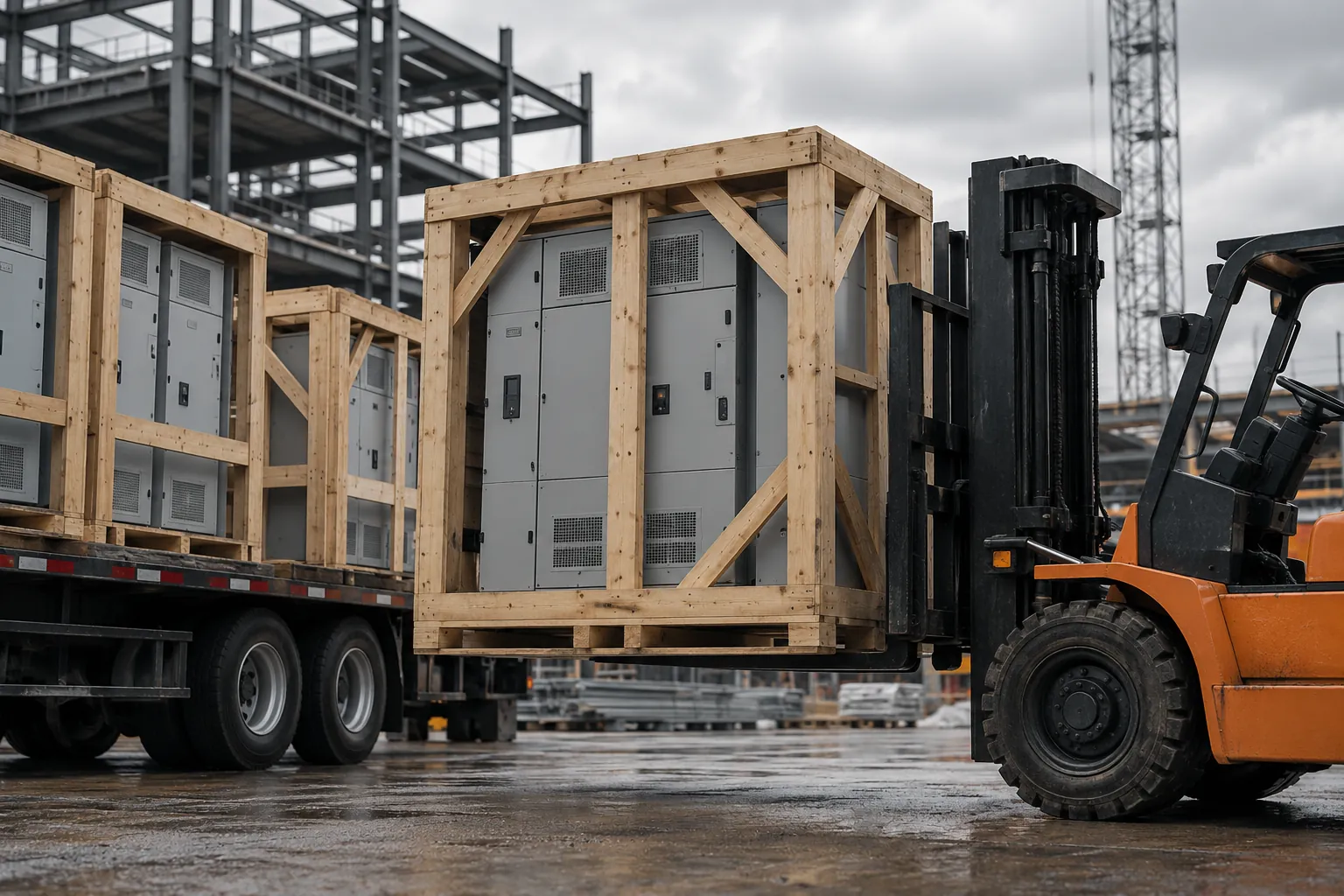
Switchgear, transformers and generators can take many months to arrive, and on large data center and industrial jobs, lead times of a year aren't unusual. Copper and equipment prices can move a long way in that time. When a sub raises the cost increase, the usual reply is to point back at the contract.
If you priced a fixed lump sum and the contract says nothing about escalation, the increase is generally yours to absorb. Here's how to change that before you sign.
Escalation clauses
An escalation clause adjusts the price if specified costs rise beyond a set amount. A workable one covers:
- What's covered. Named equipment and materials, such as switchgear, transformers, wire and cable, not your whole scope.
- A baseline. The supplier quotes or index values on the date of your bid.
- A trigger. For example, increases above 5% of the baseline.
- How it's measured. Supplier invoices, or a published price index for the commodity.
- Proof. Documentation you'll provide, so the GC can pass the increase to the owner.
- Both directions. Owners are more likely to accept an escalation clause that also passes on decreases.
Make sure your proposal states how long your pricing is valid, and that it's tied to equipment release dates.
Delay is a separate question
A late delivery raises two questions: do you get more time, and do you get more money?
- Force majeure clauses usually give extra time for events beyond anyone's control, but often not extra money. Check whether supplier and manufacturer delays are included, or only events like weather and strikes.
- Excusable vs. compensable delay. Read whether a supply-chain delay entitles you to a time extension only, or also to extended general conditions and acceleration costs.
- Liquidated damages. If the GC passes down LDs, make sure equipment delays outside your control push back the date they run from.
Get paid for what's waiting
- Stored materials. Ask to bill for equipment once it's delivered and stored, on site or in an approved off-site facility, with title passing on payment and insurance in place.
- Deposits. Some manufacturers require deposits at order. Ask for an early payment or mobilization line item to fund them.
- Early release. If the owner wants the schedule protected, ask for early release of purchase orders, or for the owner to buy long-lead equipment directly.
What to ask for
- An escalation clause for named long-lead equipment and key commodities
- Time extensions for documented supplier delays, and no LDs for them
- Payment for stored materials and manufacturer deposits
- A pricing validity date in your proposal, referenced in the subcontract
The cost of a year-long lead time should be decided before the purchase order, not argued about when the invoice arrives.
General information, not legal advice about your situation. Reading it doesn't create an attorney-client relationship. Attorney advertising. ReCo.Legal is not a law firm; legal services are provided by independent, licensed attorneys.